Spotlight: Dr. Matthew Mercer @ Klaima AI
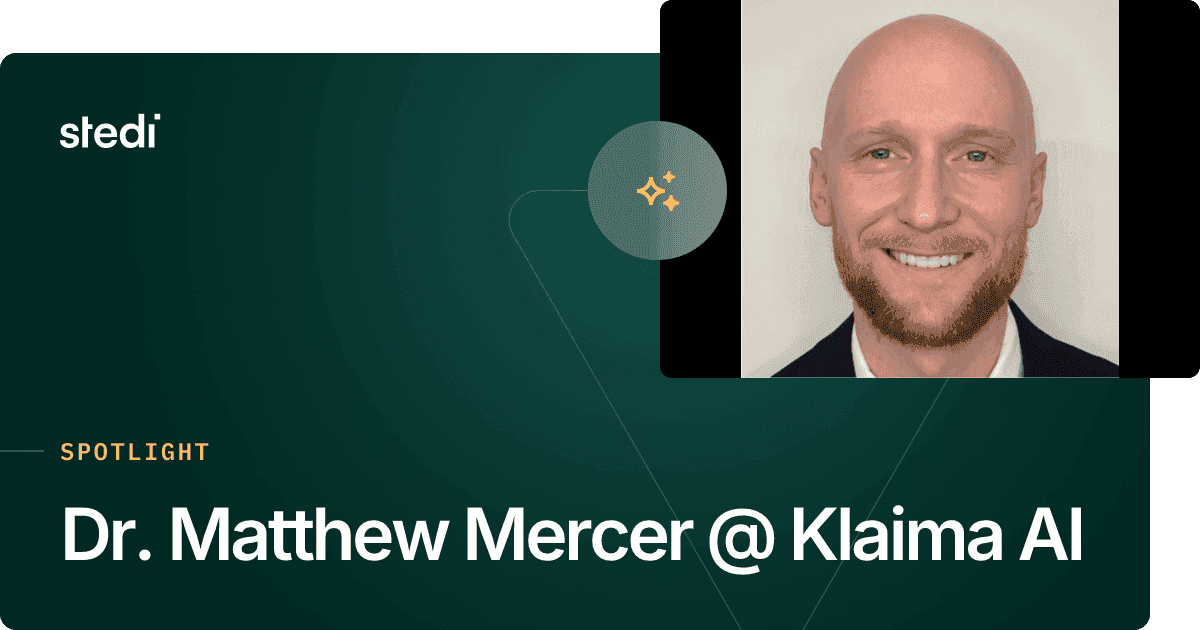
A spotlight is a short-form interview with a leader in health tech. In this spotlight, you'll hear from Dr. Matthew Mercer, co-founder and CEO of Klaima AI.
What does Klaima AI do?
Klaima AI is an AI-powered dental insurance verification platform. We've built a three-tier autonomous verification engine: Tier 1 hits payer APIs directly for instant verification, Tier 2 fires a voice agent when the API fails, and Tier 3 escalates to a human when needed. The result is that dental practices stop losing revenue to verification errors and staff stop wasting hours on hold with insurance companies. We integrate directly into practice management systems like Dentrix Ascend, so the workflow is invisible to the front desk – it just works.
How did you end up working in health tech?
I didn't set out to be in health tech – I set out to be a dentist. But after years in practice, I kept running into the same wall: my front desk was spending hours every day on the phone with insurance companies just trying to find out what a patient's plan actually covered. We'd verify, treatment would get approved, and then the claim would come back denied anyway. Wrong group number, outdated benefits, coverage we thought was active that wasn't. That's not a staffing problem – that's a broken system. I created Klaima AI because I wanted to fix it, not just complain about it.
How does your role intersect with revenue cycle management (RCM)?
In a dental practice, insurance verification isn't an administrative task – it's a clinical decision point. Before creating a treatment plan, I need to know what the patient's plan actually covers. If that information is wrong, I'm either over-promising to the patient or leaving money on the table for the practice. I've watched practices write off thousands of dollars a month because verification errors didn't get caught until after the claim was submitted. My role is making sure Klaima AI solves the problem at the source – before the patient is even in the chair. Get verification right and the rest of RCM gets dramatically simpler. Get it wrong and you're chasing your tail all the way through collections.
What do you think RCM will look like two years from now?
I think it's going to look unrecognizable compared to what most practices are running today. Right now, the average dental office is still picking up the phone and sitting on hold to verify benefits – that's where we are in 2026. In two years, that's going to feel like faxing referrals. AI is going to handle the routine verification, flag the edge cases, and feed accurate data directly into the patient file before the appointment even starts. What that means for practices is fewer denied claims, less staff burnout, and more time actually focused on patient care. That's what got me excited about building this – it's not just a billing efficiency play, it's giving clinicians their time back.