Spotlight: Jarron Lewis @ EnMedical Systems
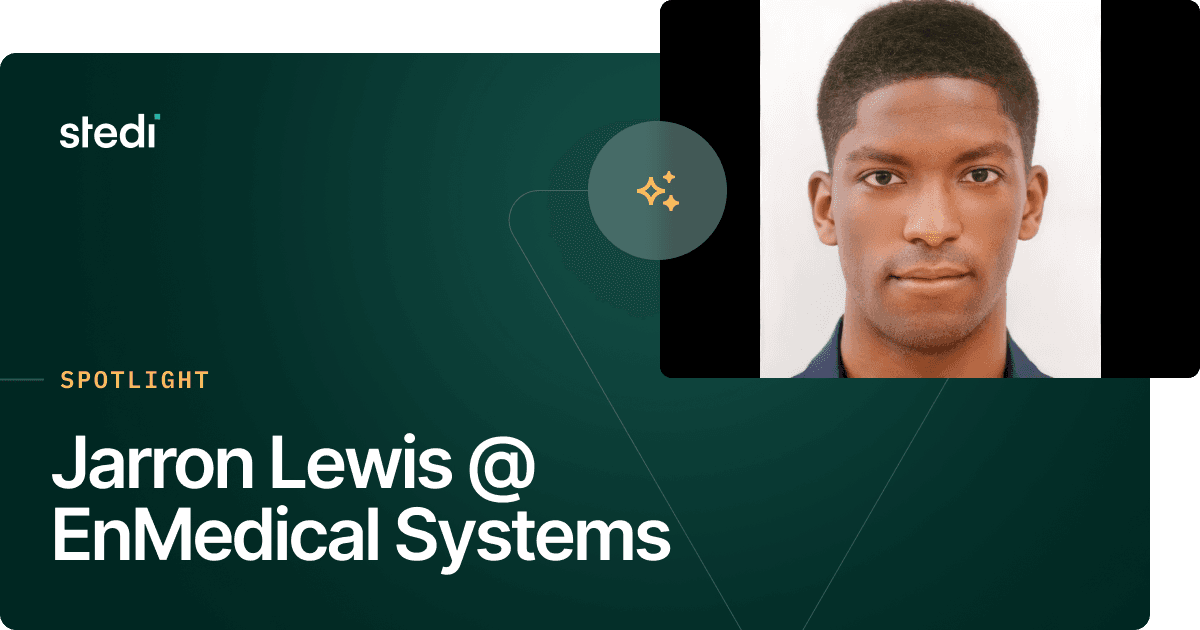
A spotlight is a short-form interview with a leader in health tech. In this spotlight, you'll hear from Jarron Lewis, Business Development Officer of EnMedical Systems.
What does EnMedical Systems do?
EnMedical Systems builds modern software for medical and dental practices that want to run more efficiently without adding more administrative burden. Our platform supports the core workflows that keep a practice moving, including scheduling, charting, billing, electronic services, patient communication, analytics, and real-time insurance verification.
Our goal is simple: help practices spend less time chasing information and more time caring for patients. With tools like enSwift, teams can verify insurance coverage in seconds, reduce manual work at the front desk, and create a smoother experience for both staff and patients.
How did you end up working in health tech?
I was drawn to health tech because healthcare is one of the few industries where better software can improve both the business and the patient experience at the same time. Practices are full of talented people, but too often they are held back by disconnected systems, manual processes, and tools that were not designed around how real teams work.
At EnMedical Systems, we saw an opportunity to build technology that feels practical, intuitive, and useful from day one. We wanted to give practices modern tools that help them operate with more confidence, improve communication, and reduce the daily friction that gets in the way of patient care.
How does your role intersect with revenue cycle management (RCM)?
Revenue cycle management starts long before a claim is submitted. It starts when a patient is scheduled, coverage is checked, benefits are understood, documentation is captured, and the practice has the information it needs to make good decisions.
That is where our work intersects with RCM. We focus on helping practices reduce uncertainty at the front end of the revenue cycle. Real-time eligibility verification, electronic claims, billing workflows, patient statements, and analytics all help teams identify issues earlier and keep revenue moving. Even small improvements in these workflows can make a meaningful difference in productivity, patient experience, and cash flow.
What do you think RCM will look like two years from now?
I think RCM will become much more streamlined directly into the systems practices already use every day. Teams will not want to jump between portals, make phone calls, or manually re-enter the same information across multiple tools. They will expect eligibility, benefits, claims, payments, and analytics to work together in the background.
The practices that benefit most will be the ones that can surface the right information earlier in the patient journey. Instead of finding out about coverage or billing issues after the visit, teams will be able to address them before care is delivered. That shift will help practices reduce administrative work and create a more transparent experience for patients.