Spotlight: Aryan Khan @ SimpliBill
Dec 23, 2025

Spotlight

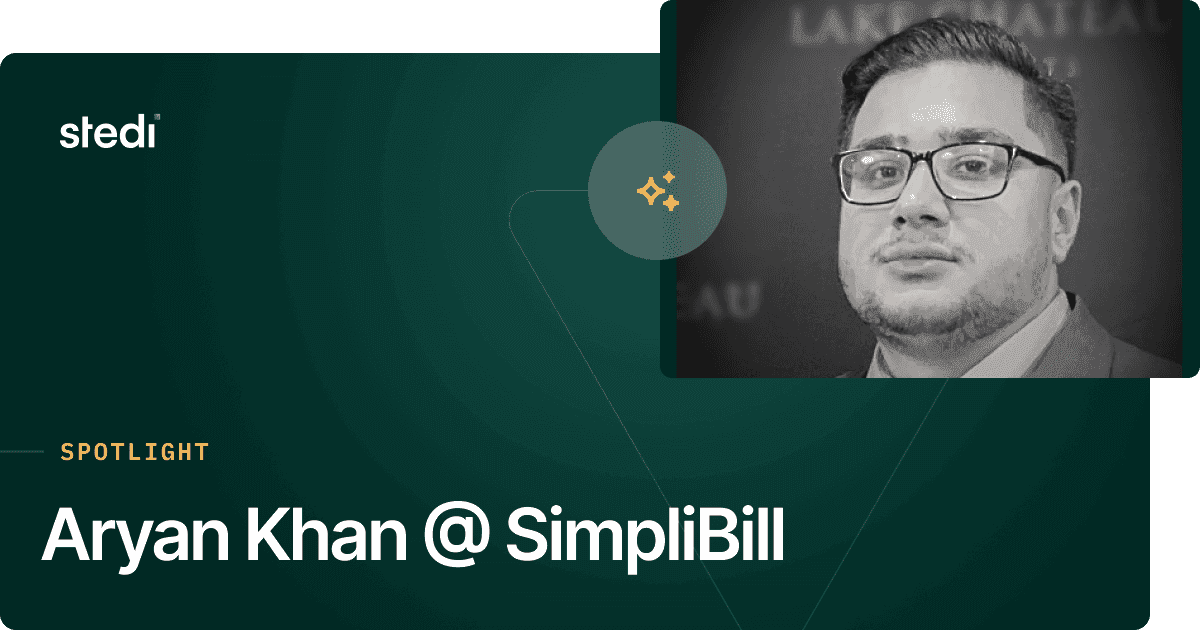
Spotlight: Aryan Khan @ SimpliBill

A spotlight is a short-form interview with a leader in health tech. In this spotlight, you'll hear from Aryan Khan, co-founder and COO at SimpliBll.

What does SimpliBill do?

SimpliBill builds revenue technology that helps healthcare organizations see and manage their financial operations more clearly.

We focus on replacing fragmented, manual RCM workflows with systems that are automated, transparent, and scalable. The platform gives teams real-time visibility into performance, while our consulting work helps organizations modernize how revenue operations actually function as they grow.

How did you end up working in health tech?

I came into healthcare through revenue cycle work, not tech.

Early in my career, I was hands-on with billing, denials, credentialing, and reporting, and I saw how much effort went into simply figuring out what was going on. Teams were smart and hardworking, but the tools were disconnected and outdated.

I started building internal tools to make things easier and more visible, and over time, that problem-solving work naturally turned into building technology.

Health tech wasn’t a planned path. It was the result of trying to fix real operational problems.

How does your role intersect with revenue cycle management (RCM)?

RCM is the foundation of my work. I stay close to operations so that what we build reflects real workflows, not theory.

My role is about translating day-to-day RCM challenges into systems that scale, turning manual processes into structured data and repeatable automation. That connection between operations and technology is where SimpliBill creates the most value.

What do you think RCM will look like two years from now?

RCM will be much more automated and much less reactive. Routine work like eligibility checks, posting, and status follow-ups will continue to move into the background.

The focus will shift to visibility and decision-making: understanding where revenue is stuck, why it’s stuck, and what to do about it sooner. The organizations that do well will be the ones that treat RCM as infrastructure, not just a back-office function.

Spotlight: Aryan Khan @ SimpliBill

A spotlight is a short-form interview with a leader in health tech. In this spotlight, you'll hear from Aryan Khan, co-founder and COO at SimpliBll.

What does SimpliBill do?

SimpliBill builds revenue technology that helps healthcare organizations see and manage their financial operations more clearly.

We focus on replacing fragmented, manual RCM workflows with systems that are automated, transparent, and scalable. The platform gives teams real-time visibility into performance, while our consulting work helps organizations modernize how revenue operations actually function as they grow.

How did you end up working in health tech?

I came into healthcare through revenue cycle work, not tech.

Early in my career, I was hands-on with billing, denials, credentialing, and reporting, and I saw how much effort went into simply figuring out what was going on. Teams were smart and hardworking, but the tools were disconnected and outdated.

I started building internal tools to make things easier and more visible, and over time, that problem-solving work naturally turned into building technology.

Health tech wasn’t a planned path. It was the result of trying to fix real operational problems.

How does your role intersect with revenue cycle management (RCM)?

RCM is the foundation of my work. I stay close to operations so that what we build reflects real workflows, not theory.

My role is about translating day-to-day RCM challenges into systems that scale, turning manual processes into structured data and repeatable automation. That connection between operations and technology is where SimpliBill creates the most value.

What do you think RCM will look like two years from now?

RCM will be much more automated and much less reactive. Routine work like eligibility checks, posting, and status follow-ups will continue to move into the background.

The focus will shift to visibility and decision-making: understanding where revenue is stuck, why it’s stuck, and what to do about it sooner. The organizations that do well will be the ones that treat RCM as infrastructure, not just a back-office function.

Spotlight: Aryan Khan @ SimpliBill

A spotlight is a short-form interview with a leader in health tech. In this spotlight, you'll hear from Aryan Khan, co-founder and COO at SimpliBll.

What does SimpliBill do?

SimpliBill builds revenue technology that helps healthcare organizations see and manage their financial operations more clearly.

We focus on replacing fragmented, manual RCM workflows with systems that are automated, transparent, and scalable. The platform gives teams real-time visibility into performance, while our consulting work helps organizations modernize how revenue operations actually function as they grow.

How did you end up working in health tech?

I came into healthcare through revenue cycle work, not tech.

Early in my career, I was hands-on with billing, denials, credentialing, and reporting, and I saw how much effort went into simply figuring out what was going on. Teams were smart and hardworking, but the tools were disconnected and outdated.

I started building internal tools to make things easier and more visible, and over time, that problem-solving work naturally turned into building technology.

Health tech wasn’t a planned path. It was the result of trying to fix real operational problems.

How does your role intersect with revenue cycle management (RCM)?

RCM is the foundation of my work. I stay close to operations so that what we build reflects real workflows, not theory.

My role is about translating day-to-day RCM challenges into systems that scale, turning manual processes into structured data and repeatable automation. That connection between operations and technology is where SimpliBill creates the most value.

What do you think RCM will look like two years from now?

RCM will be much more automated and much less reactive. Routine work like eligibility checks, posting, and status follow-ups will continue to move into the background.

The focus will shift to visibility and decision-making: understanding where revenue is stuck, why it’s stuck, and what to do about it sooner. The organizations that do well will be the ones that treat RCM as infrastructure, not just a back-office function.

Share

Twitter
LinkedIn

Get started with Stedi

Get started with Stedi

Automate healthcare transactions with developer-friendly APIs that support thousands of payers. Contact us to learn more and speak to the team.

Get updates on what’s new at Stedi

Get updates on what’s new at Stedi

Get updates on what’s new at Stedi

Get updates on what’s new at Stedi

Backed by

Stedi is a registered trademark of Stedi, Inc. All names, logos, and brands of third parties listed on our site are trademarks of their respective owners (including “X12”, which is a trademark of X12 Incorporated). Stedi, Inc. and its products and services are not endorsed by, sponsored by, or affiliated with these third parties. Our use of these names, logos, and brands is for identification purposes only, and does not imply any such endorsement, sponsorship, or affiliation.

Get updates on what’s new at Stedi

Backed by

Stedi is a registered trademark of Stedi, Inc. All names, logos, and brands of third parties listed on our site are trademarks of their respective owners (including “X12”, which is a trademark of X12 Incorporated). Stedi, Inc. and its products and services are not endorsed by, sponsored by, or affiliated with these third parties. Our use of these names, logos, and brands is for identification purposes only, and does not imply any such endorsement, sponsorship, or affiliation.

Get updates on what’s new at Stedi

Backed by

Stedi is a registered trademark of Stedi, Inc. All names, logos, and brands of third parties listed on our site are trademarks of their respective owners (including “X12”, which is a trademark of X12 Incorporated). Stedi, Inc. and its products and services are not endorsed by, sponsored by, or affiliated with these third parties. Our use of these names, logos, and brands is for identification purposes only, and does not imply any such endorsement, sponsorship, or affiliation.