Spotlight: Natasha Schlinkert @ Innobot Health
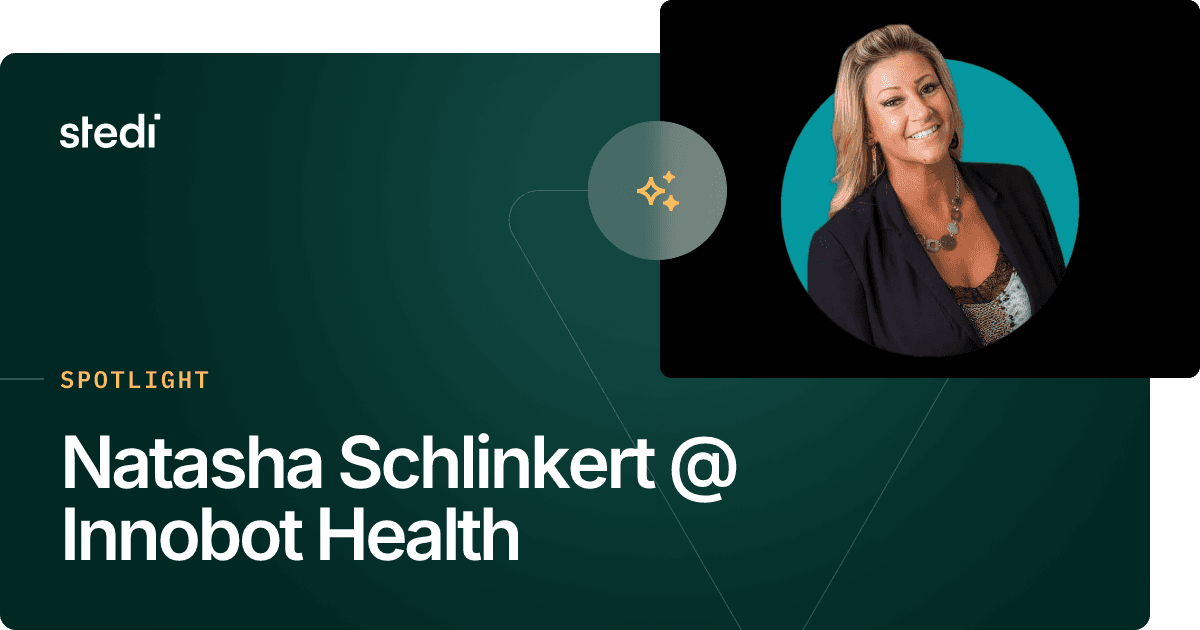
A spotlight is a short-form interview with a leader in health tech. In this spotlight, you'll hear from Natasha Schlinkert, founder and CEO of Innobot Health.
What does Innobot Health do?
Innobot Health automates the full revenue cycle in a single platform called IRIS. IRIS pulls data from a client's practice management system, runs each claim through an algorithm that determines the next best action, and then automation does the work: contracting and credentialing, contract and fee schedule management, order management, scheduling, eligibility and verification of benefits, authorization identification, submission and status, claim status, payment posting (including paper-to-835 conversion), and denial appeal submission and status. Our ILENS dashboards give leaders real-time analytics and KPIs across all of it.
What sets us apart is that every piece of work lands back in the client's EMR or PM system. Insurance gets updated, claims are rebilled, authorizations are recorded, documents are scanned to the chart, payments and adjustments are posted, notes are added to accounts, and tasks are escalated or completed. Staff see finished work right where they already work, with no extra system to check.
We complete implementation in 8 to 12 weeks, and we believe technology should lower your cost to collect. For organizations that want a complete RCM solution, our team also offers optional exception handling for the accounts that need a human touch.
How did you end up working in health tech?
I spent 28 years in healthcare revenue cycle before founding Innobot, including time as VP of Operations at a large hospital system. Year after year, I watched talented staff spend their days on work a machine could do: logging into portals, re-keying data, checking the same claims over and over. I knew automation could change that, but most vendors didn't understand RCM well enough to get it right. So in 2021, I started Innobot to build the tool I always wished I had.
How does your role intersect with revenue cycle management (RCM)?
RCM is the core of everything I do. As CEO, I still sit in discovery calls, map client workflows, and help decide which processes we automate first. My operations background means I can look at a denial trend or an AR report and see where the money is getting stuck. That perspective shapes our product roadmap and how we measure success for every client: faster cash, fewer denials, and less burnout for their teams.
What do you think RCM will look like two years from now?
I expect most front-end and follow-up work to run on autopilot, with AI agents checking eligibility, chasing claim status, and drafting appeals before a person ever touches the account. Payers have already automated their side, and providers can't keep fighting back by hand when Change Healthcare found $262 billion in claims are initially denied each year. The RCM professional of 2028 will spend their time on exceptions, payer strategy, and patient conversations. The organizations that start building that model now will have a real advantage in cash flow and staffing.