Spotlight: Samm Anderegg @ DocStation
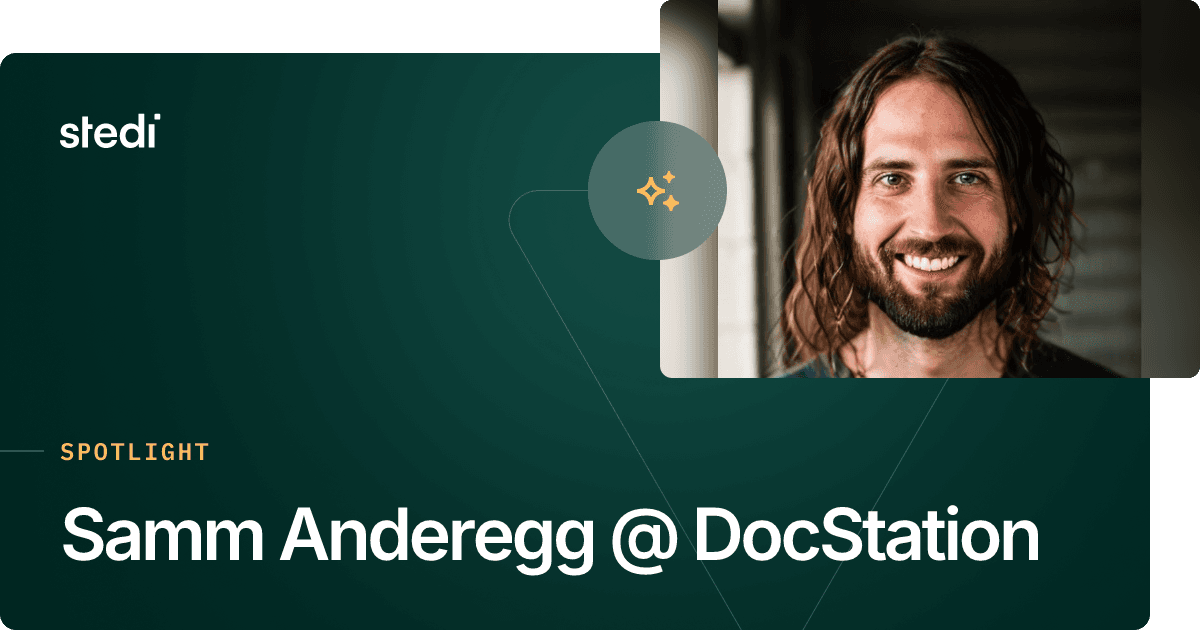
A spotlight is a short-form interview with a leader in health tech. In this spotlight, you'll hear from Samm Anderegg, CEO of DocStation.
What does DocStation do?
DocStation is the premier medical billing platform built specifically for pharmacies. Pharmacists are delivering more clinical care than ever, like vaccines, testing, and chronic care management. That work gets billed to the medical benefit, which is territory most pharmacies have never had the infrastructure to navigate.
We give them that infrastructure. Claims submission, eligibility verification, enrollment, reconciliation, all in one system. A pharmacy can submit a claim through the dispensing workflow they already know, and we transform it into a proper medical claim behind the scenes.
The big idea is that pharmacies should get paid for care, not just pills. We like to say our customers are playing offense.
How did you end up working in health tech?
I'm a pharmacist by training, so I came at this from the trenches rather than from tech. What I kept seeing was pharmacists doing genuinely clinical work, catching problems, counseling patients, running immunization programs, and having no way to get reimbursed for any of it. The care was happening. The payment wasn't.
That gap was too big to ignore, so I started dreaming about building the thing I wished existed. Somewhere along the way, that dream turned me into a health tech founder, but I still think of myself as a pharmacist who got tired of watching the profession leave value on the table.
How does your role intersect with revenue cycle management (RCM)?
As CEO, I'd argue RCM is the whole ballgame. Our north star metric is the path from a pharmacy signing up to their first paid claim, and everything upstream of that moment is either accelerating it or blocking it.
That includes the unglamorous stuff like EDI enrollments, because no enrollments means no claims, which means no payment. It also includes what happens after submission: rejections, denials, ERAs, reconciliation.
My job is making sure we're investing in the parts of that cycle that remove work from the pharmacy team entirely, not just surfacing problems for them to solve. Partners like Stedi are a big part of how we automate the foundation.
What do you think RCM will look like two years from now?
I think RCM stops being a department and starts being infrastructure that runs in the background.
Today, AI can read a denied claim, explain what went wrong, and tell you how to fix it. Probably not long from now, it fixes it. Enrollments that used to take weeks of paperwork happen automatically. Eligibility gets verified before the patient leaves the counter.
The pharmacies that win will be the ones whose billing operation scales without adding headcount, because the platform is doing the work a billing team used to do.
And honestly, that's the point. Every hour a pharmacist doesn't spend on claims is an hour spent with a patient. That's the future we're building toward, and we're catching this wave at the perfect moment.