Common questions about EVV for home health claims
Home health visits, like skilled nursing or physical therapy, happen in the patient's home. The caregiver often works alone. No one from the agency sees the visit.
The 21st Century Cures Act requires state Medicaid programs to electronically verify personal care and home health services that require an in-home visit. This process is called Electronic Visit Verification (EVV).
This guide answers questions we commonly hear from home health teams that bill EVV-covered services through Stedi. For other home health billing questions, see Common questions about home health eligibility checks and claims.
What is EVV?
Electronic Visit Verification (EVV) uses technology, usually a phone app, to record details about each visit.
EVV is required for Medicaid personal care and home health visits. The app saves the visit details in an EVV record. Medicaid uses the EVV record as proof that the visit happened.
To create an EVV record, the caregiver checks in and out of each visit in the app. The app records:
- The type of service
- The patient
- The caregiver
- The date
- The location
- The start and end time
Each state Medicaid program sets its own EVV rules, including which services need EVV, the details to collect, and how claims and EVV records connect.
Where can I find EVV information for each state?
The following table links to each state Medicaid program's EVV page, as of October 7, 2026. States update these pages often.
CMS also publishes each state's EVV compliance status for home health services.
Can I send EVV records through Stedi?
No. Stedi doesn't collect, store, or send EVV records. If a payer requires EVV data on the claim, like visit times, include it in the claim you send through Stedi.
You can still use Stedi to submit claims, track related Electronic Remittance Advice (ERAs), and run Medicaid eligibility checks. You run your EVV system alongside Stedi.
Can I submit claims for EVV-covered services through Stedi instead of my EVV system?
In many states, yes. The EVV record and claim go to the Medicaid payer separately. You submit the claim through Stedi, and the EVV system sends the EVV record to the Medicaid payer.
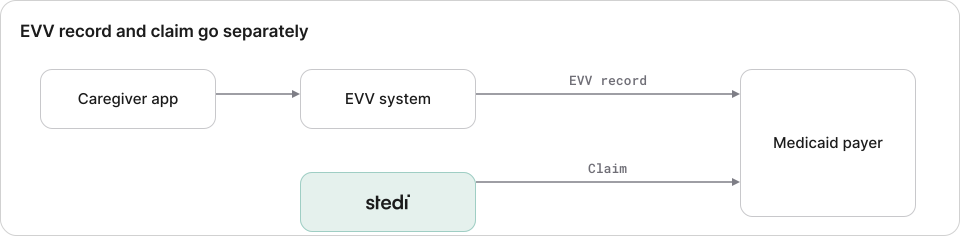
In some states, the state's EVV system must create the claim for EVV-covered services. If you submit that claim through another clearinghouse, the payer may deny it.

For example, Kansas and Georgia require claims for some EVV-covered services to go through each state's EVV system.
How do payers match EVV records to claims?
Medicaid payers match details from the EVV record to details in the submitted claim. The exact data used for matching varies by state.
Commonly used matching details include:
- The provider's NPI or Medicaid provider ID
- The patient's Medicaid ID
- The date of service
- The procedure or revenue code and modifiers
- The number of billed units, like 15-minute increments
What happens if my claim doesn't match an EVV record?
The payer may deny the claim. The ERA for the claim includes the reason for the denial. Some payers pay the claim first and take back the payment later.
Mismatches typically come from claim values that differ from the EVV record. To avoid them, make sure the EVV record is complete and accepted before you submit the claim. Use the same provider, service, date, and billed units in the claim as the EVV record.
To fix a mismatch, correct the EVV record or the claim. Then resubmit the claim.
Do I need to include EVV data on the claim?
Not usually. In many cases, the Medicaid payer doesn't require EVV data on the claim.
There are exceptions. For example, Virginia Medicaid requires EVV data, like visit start and end times, on home health and personal care claims.

For details, check the state Medicaid program's EVV page.
Do I need to send an EVV attachment with the claim?
Usually not. In many states, the EVV record reaches the payer separately through the EVV system. To confirm, check the payer's billing instructions or the state's EVV page.
Does an eligibility check include EVV records?
No. An eligibility check returns the patient's coverage status and insurance benefits. It doesn't include EVV records.
We still recommend running an eligibility check before a home health visit. An eligibility check can confirm that the patient has active Medicaid coverage.
Some Medicaid payers also show whether a managed care plan manages that coverage. For example:
The Real-Time Eligibility Check JSON endpoint returns a plans array. The managed care plan is in plans[].benefits.otherOrAdditionalPayer[].relatedEntities:
{
  "plans": [
    {
      "benefits": {
        "otherOrAdditionalPayer": [
          {
            "coverageLevel": "INDIVIDUAL",
            "insuranceType": "HEALTH_MAINTENANCE_ORGANIZATION_HMO",
            "service": { "system": "STC", "value": "30" },
            "relatedEntities": [
              {
                "type": "CONTRACTED_SERVICE_PROVIDER",
                "name": { "organization": "AETNA BETTER HEALTH INC MMCP" } // Managed care plan
              }
            ]
          }
        ]
      }
    }
  ],
  ...
}
The Batch Eligibility Check, Insurance Discovery, Real-Time Eligibility Check Raw X12, and Real-Time Eligibility Check JSON - Legacy endpoints return a benefitsInformation array. The managed care plan is in benefitsInformation[].benefitsRelatedEntities:
{
  "benefitsInformation": [
    {
      "code": "R", // Other or Additional Payor
      "coverageLevelCode": "IND",
      "insuranceTypeCode": "HM", // HMO
      "serviceTypeCodes": ["30"],
      "benefitsRelatedEntities": [
        {
          "entityIdentifier": "Contracted Service Provider",
          "entityType": "Non-Person Entity",
          "entityName": "AETNA BETTER HEALTH INC MMCP" // Managed care plan
        }
      ]
    }
  ],
  ...
}
Get started with Stedi
To get started with Stedi, sign up for a free sandbox account. It takes less than two minutes. No credit card is required.
When you're ready, upgrade to production on our pay-as-you-go plan. There are no monthly minimums or setup fees. You only pay for the transactions you use.